“Shared ownership is a government scheme run by a housing charity. What could go wrong?”

I bought my shared ownership flat in 2006, from Metropolitan Housing Trust (now Metropolitan Thames Valley (MTVH)). I couldn’t rely on my parents for a deposit because I don’t come from a well-off family. I couldn’t afford to buy on the open market as a single person, either. Property prices were high and I was on a relatively low income as a university lecturer, so the idea that I could buy a part share was appealing. At least I wouldn’t be renting, I thought. Shared ownership is a government scheme run by a housing charity. What could go wrong?
MTVH’s sales rep explained that I’d buy a share and pay rent on the rest. They told me I’d have a foot on the ladder, and gave me a glossy brochure which told me about the development, and the local area. They also gave me a short list of financial advisers and solicitors. They said that shared ownership was a niche product, and if I used their recommended specialists my purchase would go through more quickly.
I got a mortgage via a financial adviser recommended by MTVH. The conveyancing was done by a solicitor recommended by MTVH. And within eight weeks, I was given the keys and moved into my first home. It was a lovely flat on a nice development, and I felt very lucky.

Within a few months problems became apparent. My neighbours and I were paying service charge, but we weren’t getting any service. We thought it was just teething troubles in a new building. Fourteen years and three sets of legal proceedings later we’ve had to accept that our landlord is very happy to take the £87k that leaves the building in service charge alone every year, without ever providing any kind of service in return. Our building is now shabby, run-down and neglected.
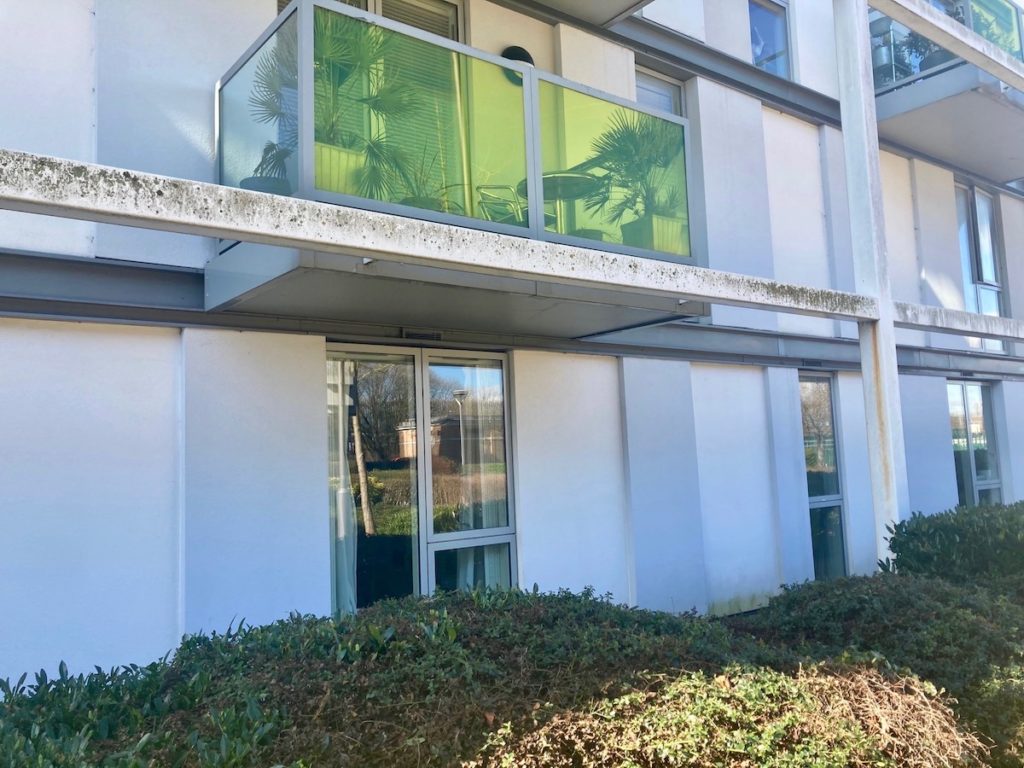
Shared ownership is not shared, and it’s interesting to note how that works in real terms. I have to maintain 100% of my flat, even though I only have a 30% share, and if I want to change the bathroom or the kitchen, I need to ask first, and pay a permission fee. My neighbours and I must also pay for the maintenance of the building. It costs a landlord nothing to maintain their share because the tenants pay for everything.
After I moved in, I also found out that it’s not actually ownership either. The case of Richardson v Midland Heart (2007) proved that shared ownership is just an assured tenancy. What this means is that if a shared ownership tenant gets into eight weeks arrears with either rent or service charge, the landlord will repossess the property in its entirety, without refunding the money the tenant paid for their share. This was not explained to me at the point of sale, and when I went through the conveyancing report several years later, I found that the clause in the lease stating this was the one clause that the conveyancing solicitor had skipped over.
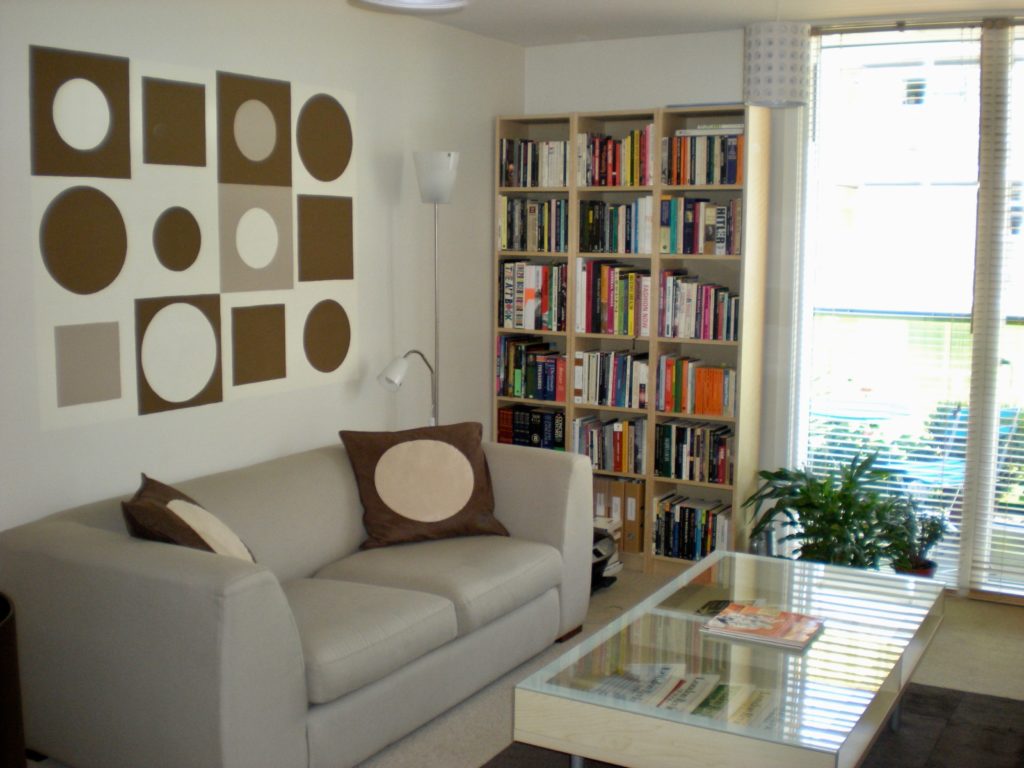
I took out a mortgage and, far from actually owning a share in a property, all I have is a tenancy that is less secure than the one my grandmother had on the council house she brought my father up in.
I am not a stupid person but now I feel like a gullible fool for believing all the sales talk
The emotional impact of realizing I had been deceived to this extent was immense. I am not a stupid person but, like any con victim, I feel like a gullible fool for having believed all the sales talk. I was promised a foot on the ladder with the potential to own my own home, but that’s not what happens with shared ownership. I was lied to by a housing charity, by the government, and by a whole array of professionals who make their living from the sale of shared ownership properties. All I wanted was a secure and decent home, but buying into shared ownership turned out to be the biggest financial mistake of my life.
I don’t know how it can possibly be right that this situation is allowed to continue, but while it is, I would advise anyone reading this to be very, very careful about buying shared ownership.
How I’d improve shared ownership
1. Shared ownership does not currently exist in law. It’s a marketing term for a government scheme. The leases that are written under it vary depending on who is in office, and are a melange of random clauses drawn from various leasehold and landlord and tenant law. A lot of the problems with shared ownership would be resolved if it had a legal basis, and a Shared Ownership Act is vitally important.
2. Service charges are an absolute rip off. No-one who pays rent should have to pay service charge as well, and if the tenant is responsible for 100% of the maintenance of their property, service charges for the building and the areas around it should only be applied once they have staircased to 100% ownership.
3. Service standards should be set out much more clearly than they are at the moment, and tenants should know what service standards they can expect from their landlord before they buy.
4. Rent should be inflation minus 1%, and not the additional 0.5%-5% per year, every year, always increasing, as it is at the moment.
5. Staircasing should be based on the value of the property when it was bought, and not its value at the time of staircasing. No fees should be payable by the tenant to the landlord when staircasing, and each party pays their own legal fees. The amount of rent paid by the tenant should also be factored in to the staircasing premium, and the premium payable by the tenant to staircase should be reduced for every year of rent paid. (There is a precedent for this – “right to buy” in the Housing Act 1980.)
6. Housing associations and other shared ownership providers should be subject to much more stringent regulation, and overseen by a regulator with real teeth. There is no reason why anyone who buys into a government-led affordable housing scheme should have to engage in David-and-Goliath battles to get their basic legal entitlements, but that is the situation at the moment. Moreover, shared ownership landlords who fall short of the regulatory standards should not be awarded any more public money until they resolve their failures.
7. Complex lease arrangements (sometimes called s.106 agreements) should be banned. No landlord should also be a tenant themselves. Parties to existing complex lease arrangements should be given a fixed amount of time to decide who is buying who out, so that no tenants (shared ownership, social rented, or anything else) have to live with the consequences of these exploitative, buck-passing, profiteering arrangements.
8. Any improvements to the shared ownership scheme should apply retrospectively to ALL shared ownership leases, regardless of whether they were signed in 2006, or 2026.
Absolutely brilliant article. I bought shared ownership in 2006. I was told I was buying a share of a flat and paid rent on the rest and that was all I was told. That was gross mis-selling by the agent as I was a second buyer. I wasn’t even told as there had been a previous owner, the lease was assigned. I didn’t get a say in what was in the lease, the previous ‘owner’ had signed it and in the case of shared ownership this is just passed on so unlike a consumer contract we’re expected to just accept this grossly unfair situation.
“After I moved in, I also found out that it’s not actually ownership either” Is there anyone who has entered Shared Ownership understanding this before entering into it. I certainly didn’t. How can that be right?
It’s so good to have somewhere to get high detailed information breaking down aspects of Shared Ownership which, as I lot of us are finding out, can be very complex with many hidden issues. There was literally nowhere to get this sort of information before Shared Ownership Resources.